


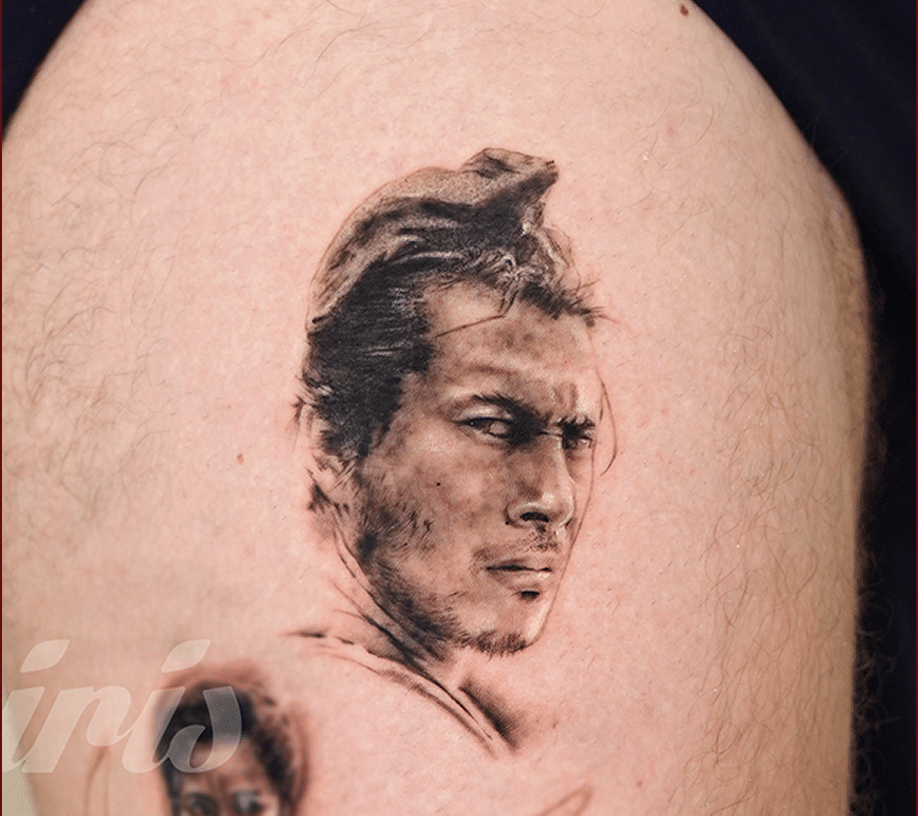
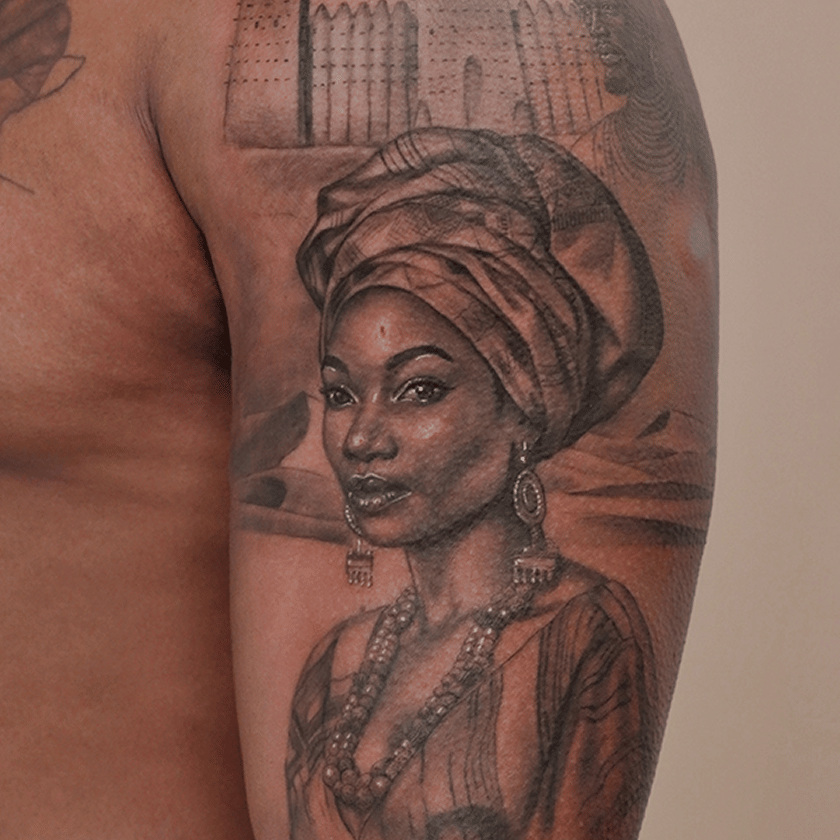
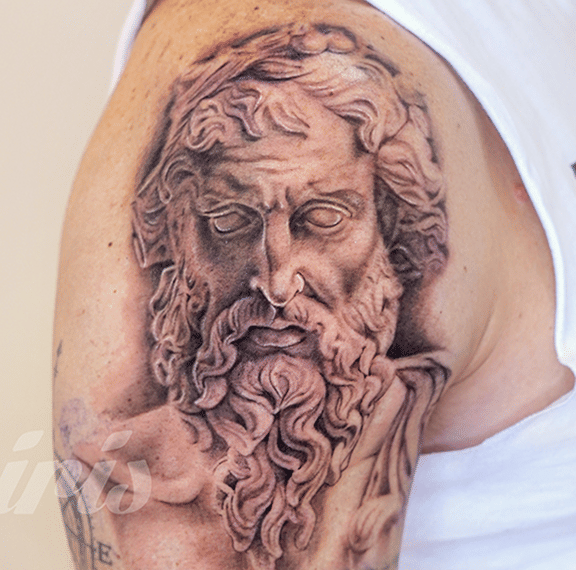
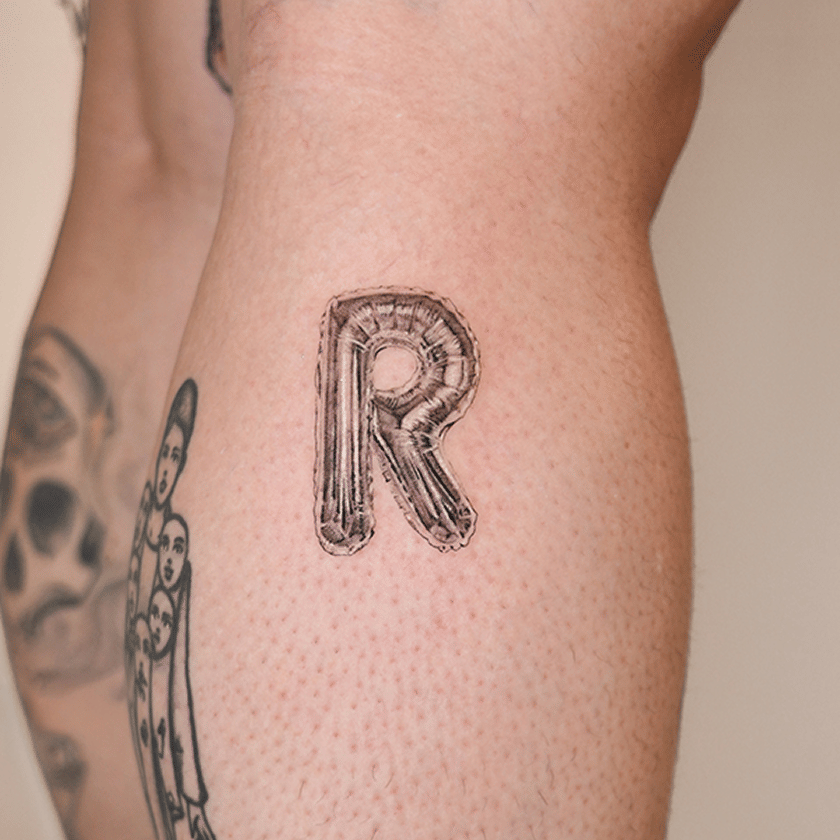
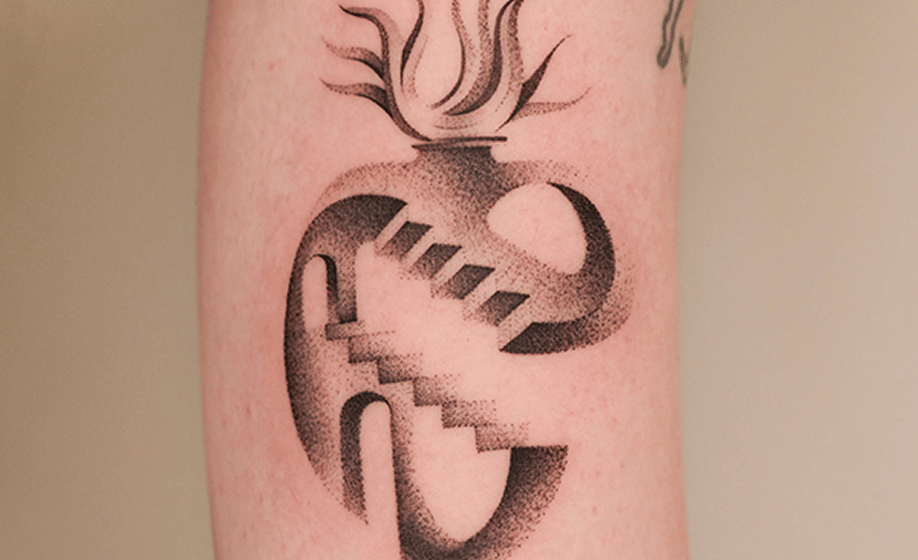
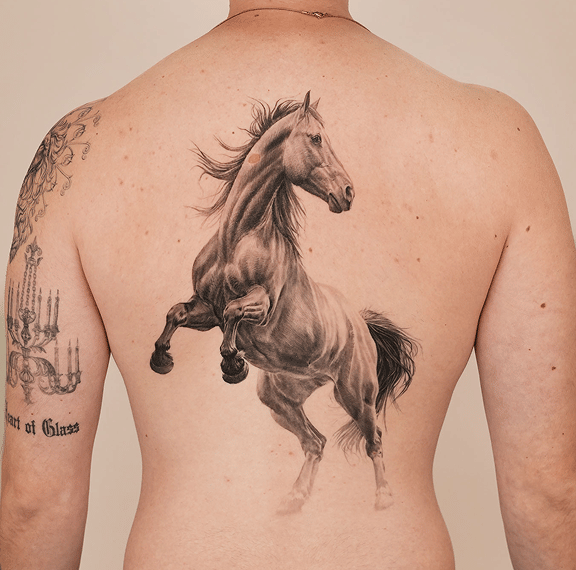
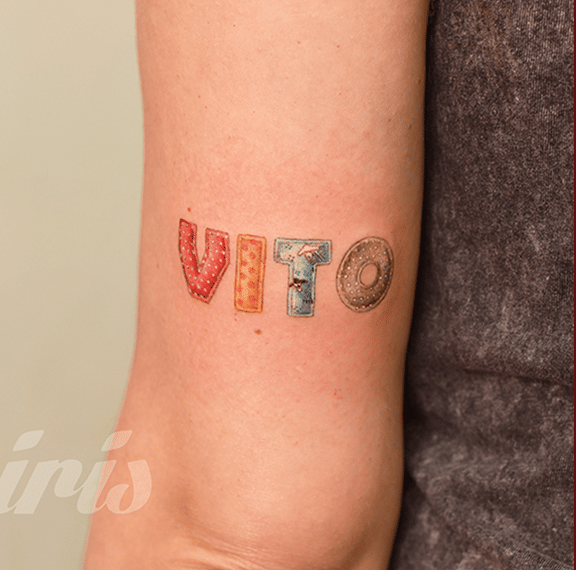
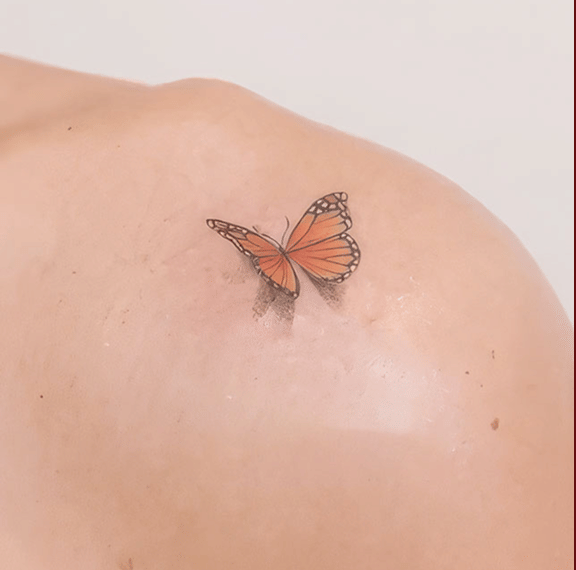
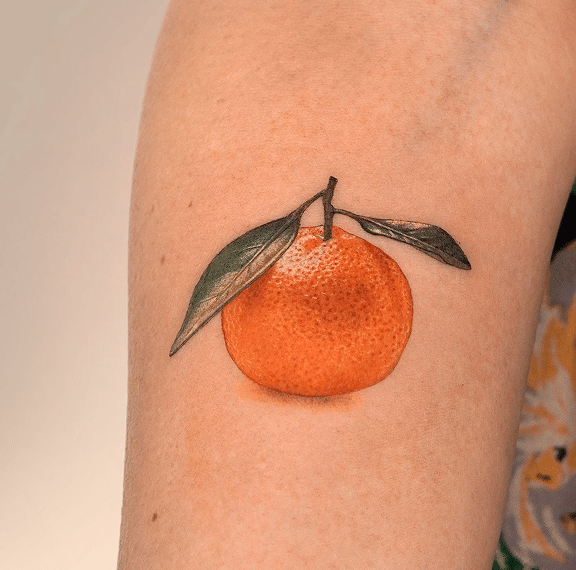
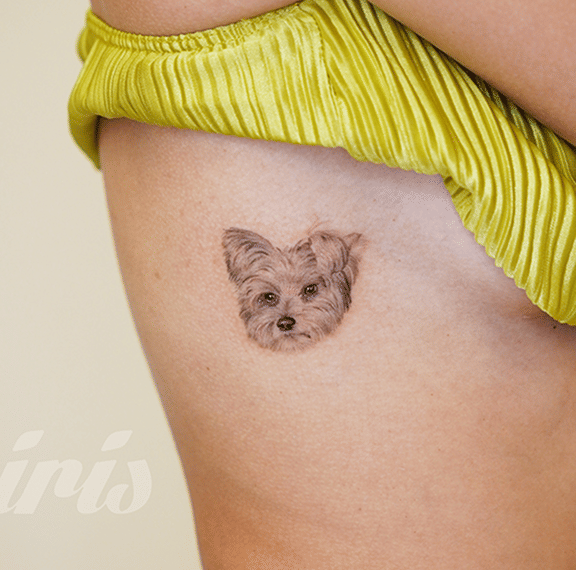
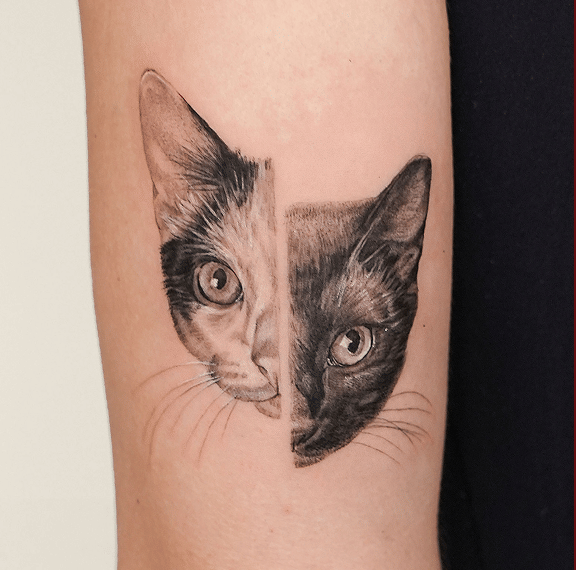
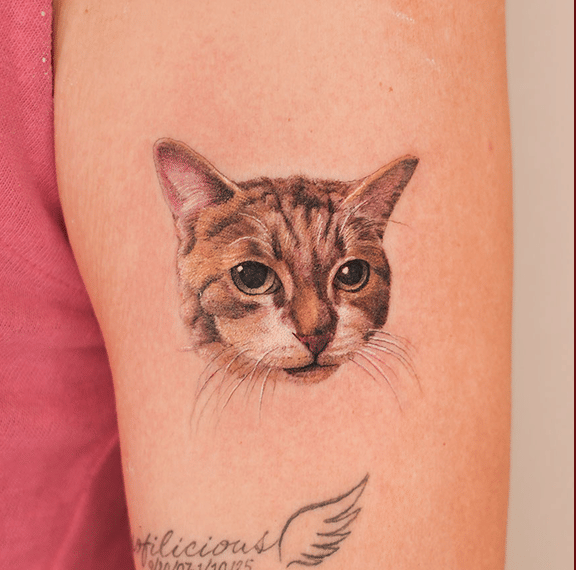
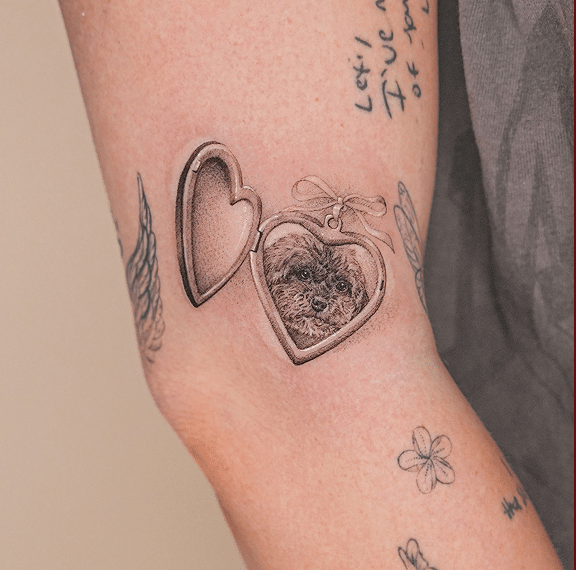
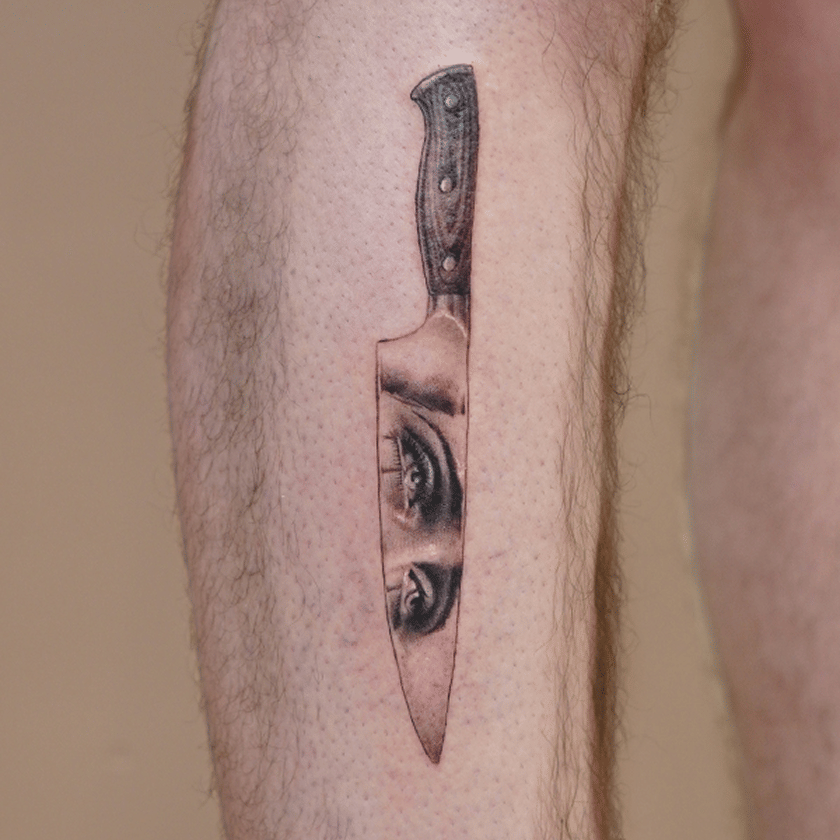
Technical control is equally important. Smooth shading requires consistent application, while small details must be added without making the design appear crowded. Dark areas need enough strength to create depth, although they must remain balanced with lighter sections and open skin.
Realistic tattoos also require an understanding of visual hierarchy. Not every part of the reference should receive the same amount of detail. The focal point, such as a face or pair of eyes, may need sharper definition, while secondary areas can be softened to create depth and direct attention.
Experience also helps the artist determine when to change the original reference. A photograph may include distracting objects, awkward cropping, harsh lighting, or a background that will not translate well to the skin. Thoughtful adjustments can preserve the meaning of the image while creating a stronger tattoo composition.
Iris Tattoo develops each realism design around the client’s subject, placement, and aesthetic goals. This customized approach allows the artist to account for the body’s shape rather than treating the tattoo as a flat image placed without modification.