Micro Realism Tattoo Services

At Iris Tattoo, our artists approach micro realism with attention to both detail and composition. A successful micro realism tattoo must look impressive up close while still remaining clear and balanced when viewed from a normal distance. That requires thoughtful planning, careful execution, and an understanding of how intricate tattoo work interacts with the skin over time.

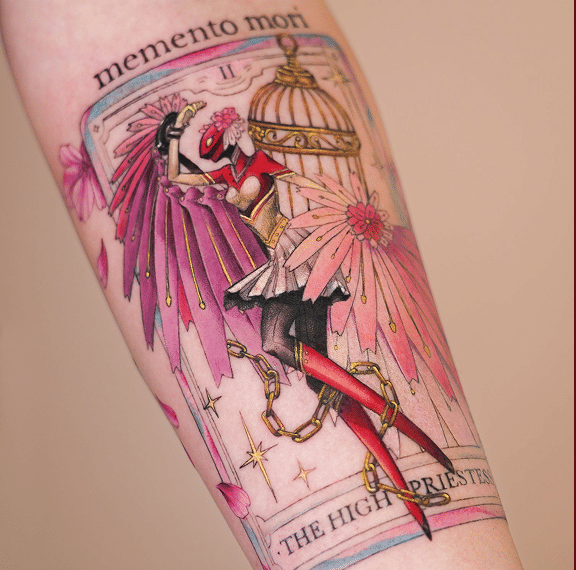
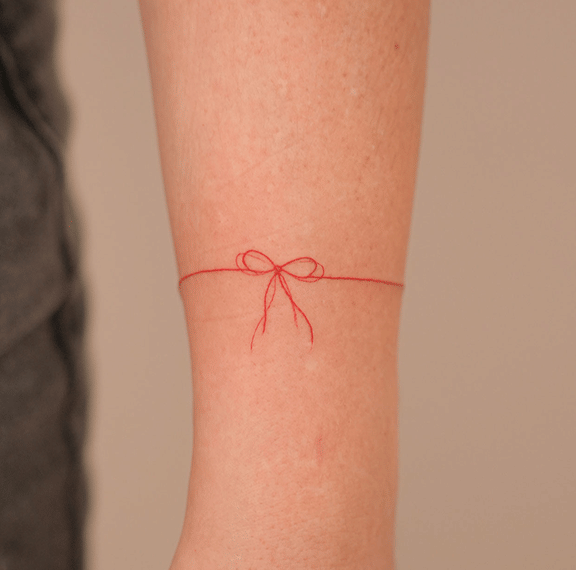
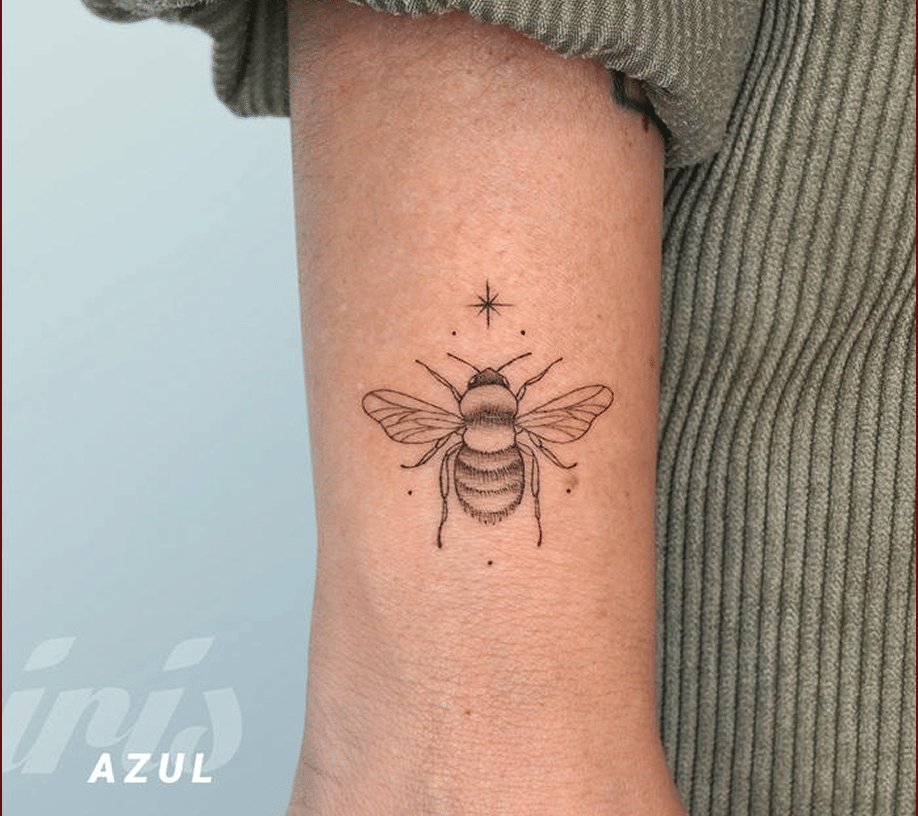
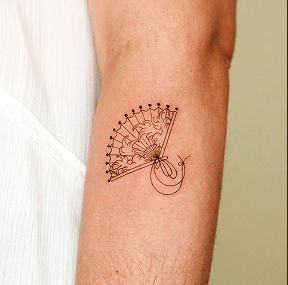
Whether you are interested in a small realistic tattoo of a portrait, animal, flower, architectural detail, object, or meaningful symbol, Iris Tattoo can help develop the concept into a custom design suited to the size and placement you have in mind.

What Is a Micro Realism Tattoo?

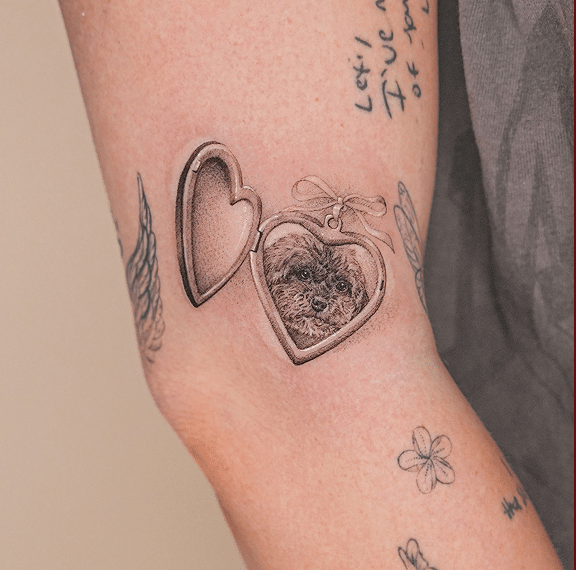
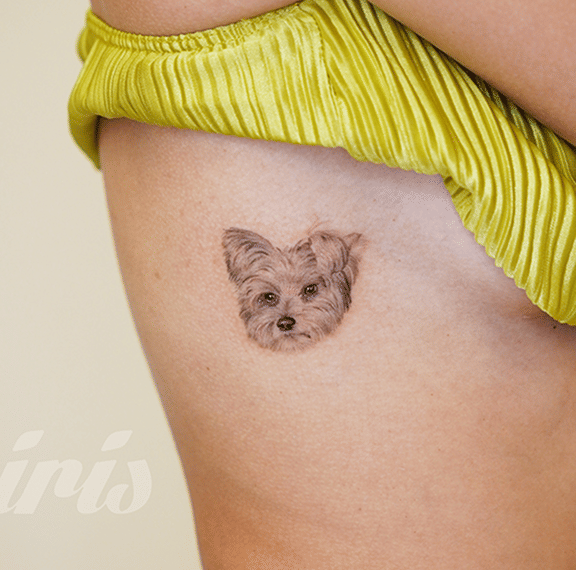
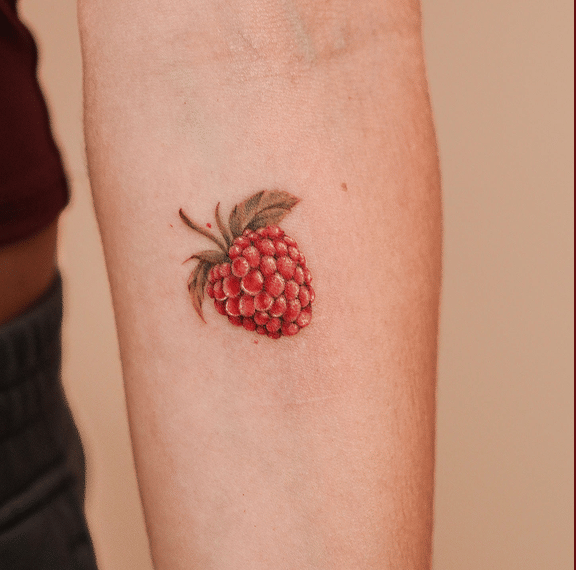
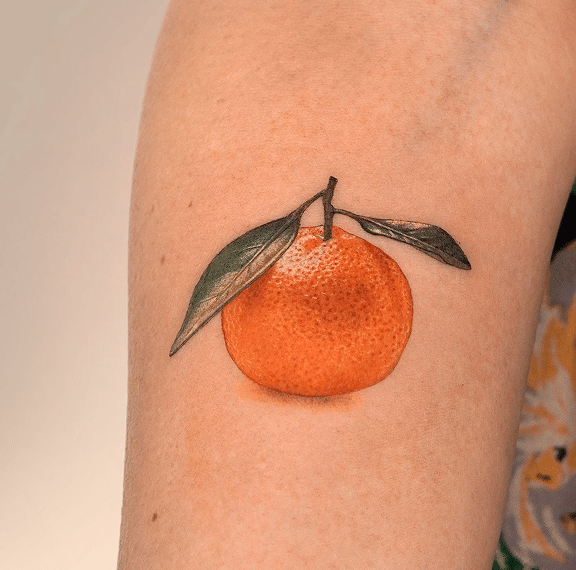
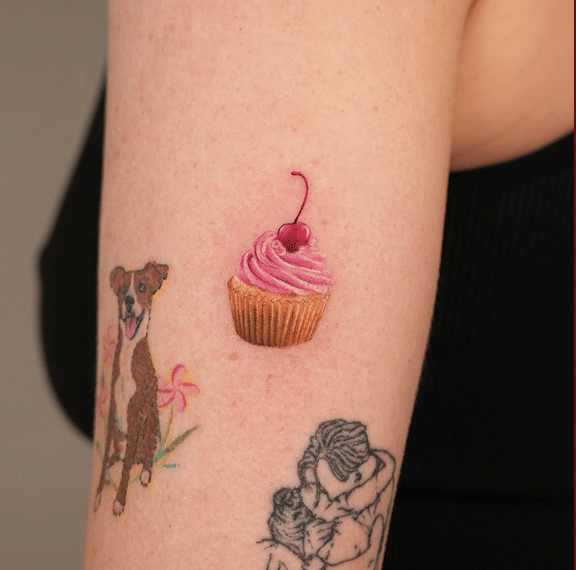
A micro realism tattoo is a small-scale tattoo designed to recreate a subject with realistic detail. Artists may use fine linework, soft shading, subtle gradients, tiny highlights, and carefully placed darker areas to create the appearance of depth, texture, and dimension.

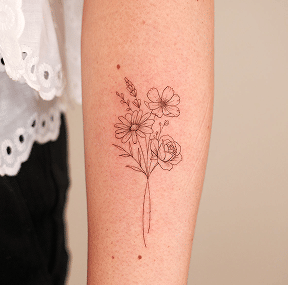
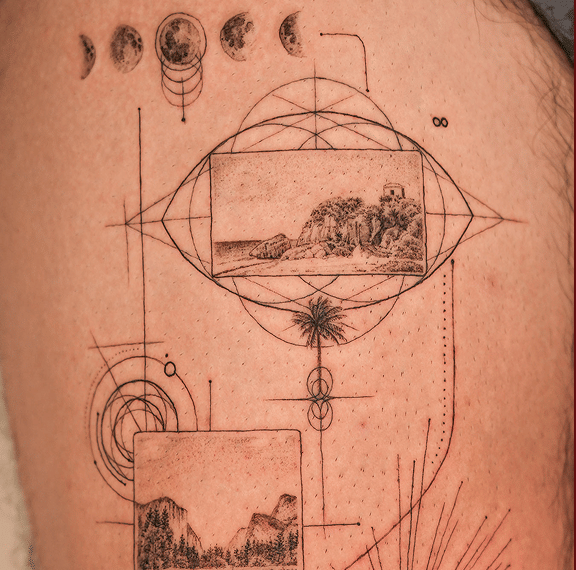
The subject itself can be almost anything. Some micro realism tattoos recreate recognizable people or animals, while others focus on flowers, sculptures, landscapes, buildings, jewelry, everyday objects, or symbolic imagery. What defines the style is not necessarily the subject but the effort to reproduce realistic visual characteristics within a compact design.

Because of the smaller scale, micro realism requires artists to make deliberate decisions about which details are essential. A photograph may contain hundreds of tiny visual elements, but reproducing every one of them in tattoo form isn't always practical or desirable. The artist must simplify selectively while preserving the features that make the image immediately recognizable.

Why Micro Tattoos Require Precision

Small tattoos can sometimes appear simple because they occupy less space, but highly detailed micro tattoos can actually demand considerable technical control. When a design is compact, even slight changes in line placement, spacing, proportions, or shading can noticeably affect the finished result.

Fine details must be positioned carefully so they don't compete with one another. Dark areas need enough separation to maintain contrast, while lighter details must remain visible without overcrowding the design. The artist also needs to account for the natural texture and movement of the skin rather than treating the tattoo like an illustration printed on a perfectly flat surface.

Precision becomes particularly important when working with recognizable subjects. In a small portrait, for example, the distance between facial features can influence whether the person remains recognizable. In an architectural design, a few carefully placed lines may determine whether the structure appears balanced or distorted.

Micro realism therefore involves more than simply shrinking a larger realistic tattoo. The artwork must be designed specifically for a smaller scale.

Small Realistic Tattoos Need the Right Amount of Detail

One of the most important parts of designing a small realistic tattoo is deciding what should remain in the image and what should be simplified.

A photograph that looks extremely detailed on a phone or computer screen may contain elements that are too small to translate clearly into tattooed skin. Attempting to include every texture, shadow, reflection, or background detail can make the finished design unnecessarily crowded.

Instead, an artist may emphasize the shapes, expressions, shadows, or identifying features that give the subject its character. This allows the tattoo to retain realism without sacrificing readability.

Size can also influence how much detail is possible. If a particular feature is central to the design, your artist may recommend making the tattoo slightly larger or simplifying another part of the image so the important details have enough room.

These adjustments are part of designing the tattoo effectively rather than simply reducing an existing image to a smaller size.

Placement Matters With Micro Realism Tattoos

Placement affects almost every tattoo, but it can be especially important when working with small, detailed designs. The available space, shape of the body, skin movement, and surrounding tattoos can all influence how the artwork should be arranged.

Some areas offer relatively flat surfaces that may accommodate detailed imagery well, while others require the design to follow natural curves or movement. A vertically oriented design might work differently on the forearm than on the shoulder, ankle, or side of the body.

The amount of open space surrounding a micro tattoo can also influence its visual impact. A small piece may appear particularly striking when it has enough negative space around it to remain distinct.

A few placements aren't available. We don't tattoo palms, the soles of the feet, the sides of the fingers, lips, eyelids, or genitals, so it's worth raising one of those areas early if you had it in mind.

Your artist can discuss placement options based on the design itself rather than applying the same recommendation to every micro realism tattoo.


What to Expect When Getting a Micro Realism Tattoo

The process generally begins with a consultation or discussion about your concept, reference images, preferred size, and placement. If you're working from a photograph, your artist may evaluate which details can translate effectively into a tattoo and recommend adjustments where necessary. You will see the final design on the day of your appointment, with room for minor adjustments before we begin.

Once the design has been refined, the artist will determine the appropriate scale and positioning. Because micro realism depends heavily on precision, stencil placement and preparation can be especially important.

During the tattooing process, the artist may build the image gradually using fine lines, darker anchor points, soft shading, and small areas of contrast. The exact method varies depending on the artist, the subject, and whether the tattoo is being created in black and grey or color.

A physically small tattoo isn't necessarily a very quick tattoo. Detailed work can take time because the artist must carefully construct elements that occupy only a small amount of space. The complexity of the subject, rather than size alone, often determines how long the appointment will take.

Healing and Longevity of Micro Realism Tattoos

All tattoos change somewhat as they heal and age, and highly detailed designs need to account for that reality from the beginning. Skin is living tissue rather than paper, which means extremely tiny lines and tightly packed details may not remain visually identical forever.

This is one reason thoughtful design is so important. Appropriate spacing, contrast, and scale can help preserve the overall readability of a micro realism tattoo even as it naturally settles into the skin.

Following your artist's aftercare instructions is also an important part of the healing process. You go home with an aftercare kit containing the products you need and detailed instructions. Keep the area clean as directed, avoid picking or scratching peeling skin, and follow the recommended guidance for washing and moisturizing the tattoo. Most tattoos heal in two to four weeks on average, though it varies from person to person.

Swimming, soaking, and activities that expose the fresh tattoo to unnecessary irritation should generally be avoided during the initial healing period according to your artist's instructions.

Sun exposure can also contribute to fading over time. Once the tattoo is completely healed, protecting it from excessive ultraviolet exposure can help maintain its appearance.

No tattoo can be guaranteed to remain completely unchanged, but careful design, professional application, proper healing, and reasonable long-term care can all contribute to how well the artwork holds up.

Micro Realism Can Make a Small Tattoo Feel Significant

A tattoo doesn't need to cover a large area to have visual impact. Micro realism allows a meaningful subject, favorite image, personal memory, or visually interesting object to be translated into a compact piece of artwork.

The smaller format can also make these tattoos appealing to people who want detailed imagery without committing to a large composition. A micro realism piece can stand on its own, complement existing tattoos, or become part of a larger collection over time.

The key is choosing a design that works with the scale rather than forcing too much information into too little space.

Create Your Micro Realism Tattoo at Iris Tattoo

If you have an image or idea you'd like to turn into a detailed small tattoo, Iris Tattoo can help develop a design that balances realism, clarity, size, and placement. Bring reference photos, artwork, personal images, or simply an idea of what you want represented. Book your micro realism tattoo consultation with Iris Tattoo today and start creating a precise, highly detailed piece designed around your idea.

Gift Card

How does it work? It is very simple: give a tattoo or piercing as a gift! The person who receives the gift only has to contact the studio to book an appointment and tell us what service they want to get. Shipping times can vary so the Digital option for last minute purchases is the best option 🙂 We recommend reading the FAQ section before purchase.